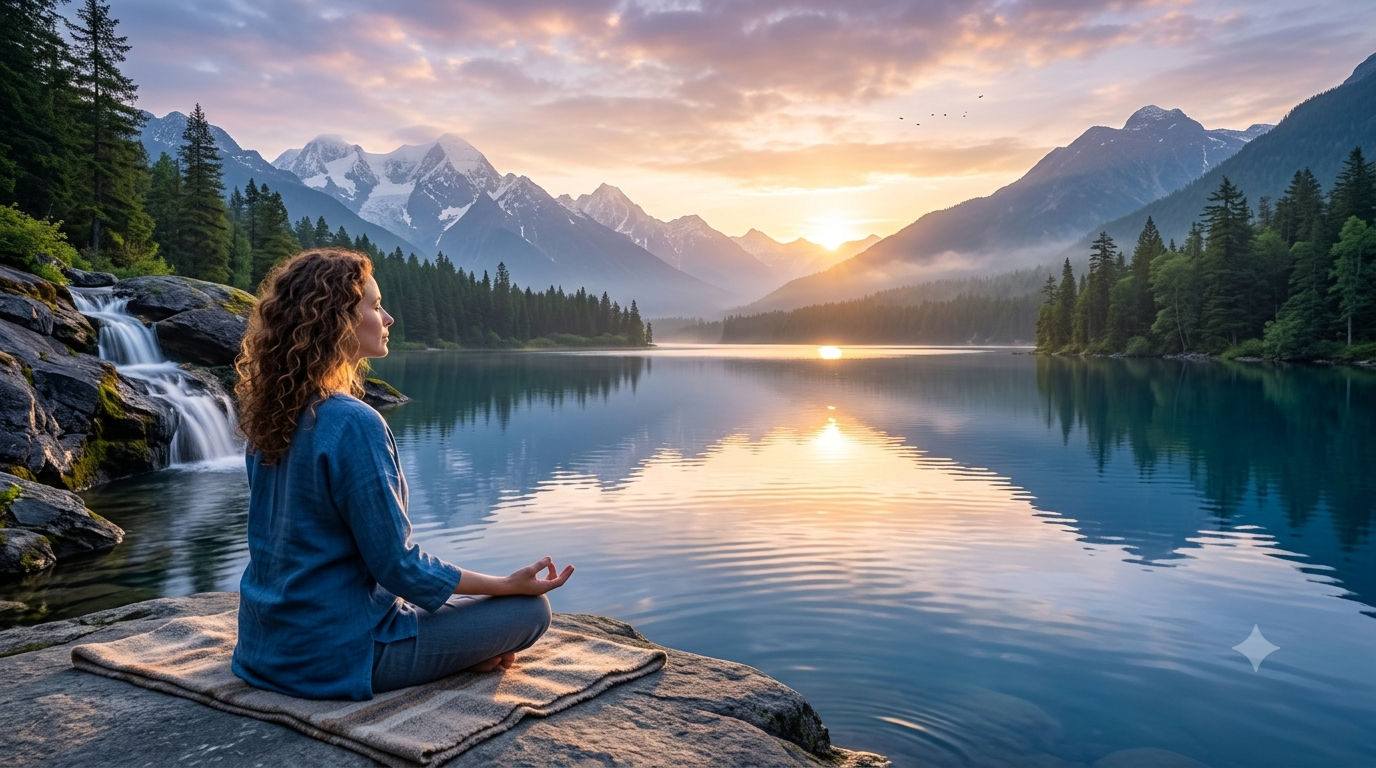
Asanas for Meditation
Find your steady seat. Calm the body. Quiet the mind.
The Art of Sitting Still
Meditation doesn't always begin with closing your eyes.
It begins with finding a posture in which the body feels stable, comfortable and supported.
Traditional yoga offers several seated asanas that help create this foundation. Among the most accessible and meaningful are:
- Sukhasana — Easy Pose
- Ardha Padmasana — Half Lotus
- Padmasana — Lotus Pose
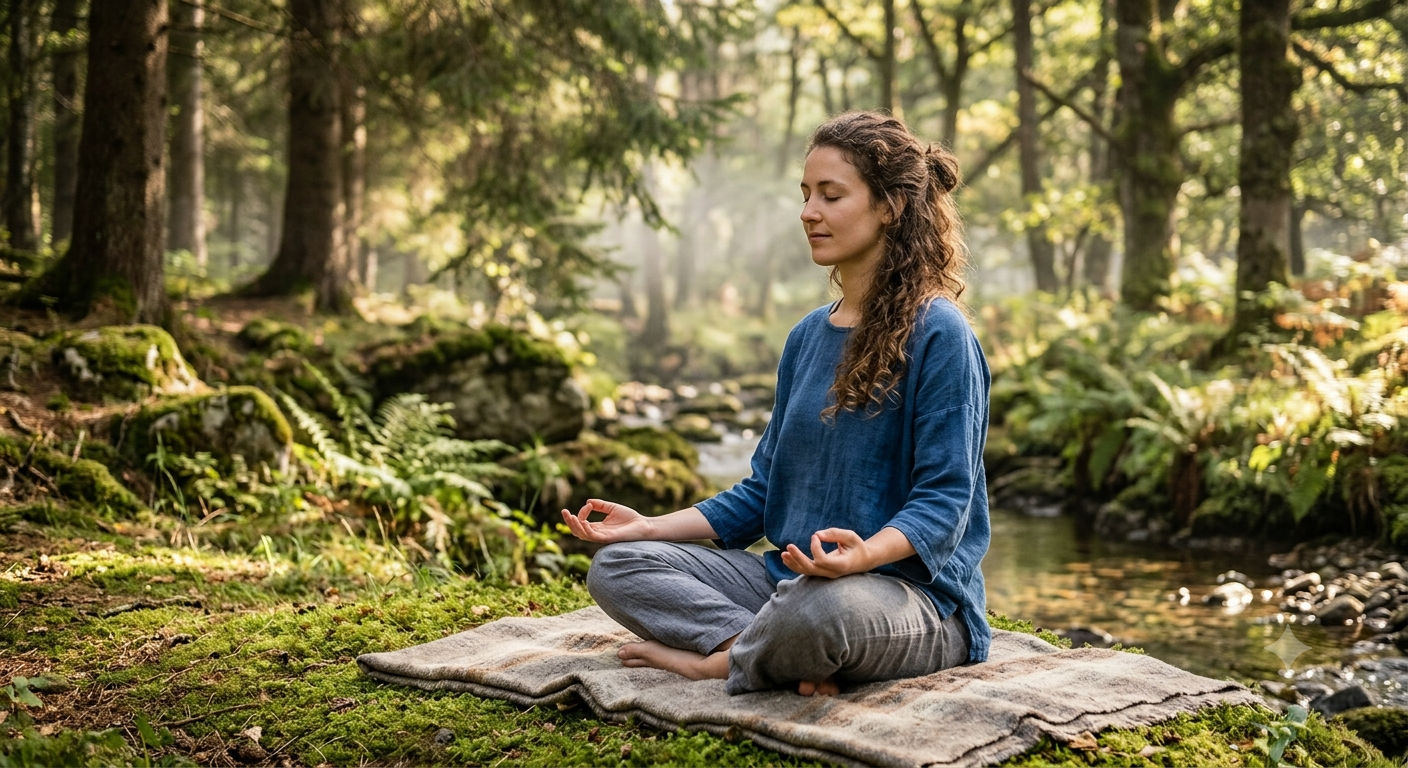
Three Asanas for Your Meditation Practice
🌿 Sukhasana
The Easy Pose
A simple, comfortable seated posture that is ideal for beginners and for anyone looking to establish a relaxed meditation practice.
Best for: Beginners · Everyday meditation · Gentle practice
🌿 Ardha Padmasana
The Half Lotus Pose
A natural progression from Sukhasana, offering greater stability while gradually opening the hips.
Best for: Developing practitioners · Longer sitting · Improved posture
🪷 Padmasana
The Lotus Pose
A traditional meditation posture that represents stillness, balance and awakened awareness.
Best for: Experienced practitioners · Deep meditation · Stable sitting
Sukhasana
Sukha means ease, comfort or bliss. Sukhasana is one of the simplest ways to create a comfortable seat for meditation. It allows the body to settle while keeping the spine naturally upright.
How to Practice
- Sit on the floor with your legs extended forward.
- Bend your knees and comfortably cross your shins.
- Place each foot beneath the opposite knee.
- Rest your hands on your knees or in Jnana Mudra.
- Keep your spine tall and your shoulders relaxed.
- Close your eyes and allow your breathing to become natural.
Benefits
- Helps create a calm and steady state of mind
- Encourages an upright posture
- Gently opens the hips
- Provides a comfortable foundation for pranayama and meditation
Ardha Padmasana
A gentle step between the simplicity of Sukhasana and the deeper structure of full Lotus. Practice with patience. Never force the knees or hips.
How to Practice
- Begin comfortably in Sukhasana.
- Lift one foot and gently place it on the opposite thigh.
- Keep the other leg comfortably folded underneath.
- Lengthen your spine without creating tension.
- Relax your shoulders and rest your hands on your knees.
- Breathe slowly and bring your attention to the movement of the breath.
Benefits
- Gradually encourages hip opening
- Supports better spinal alignment
- Creates a more stable meditation seat
- Encourages calm concentration
Padmasana
Lotus Pose The lotus is deeply symbolic in yoga — rooted in the earth yet rising above the water. Padmasana represents stability, stillness and awakened awareness.
Benefits
- Supports prolonged meditation
- Encourages a stable, upright posture
- Helps cultivate concentration
- Traditionally associated with balanced energetic flow
How to practice
- Sit comfortably with your legs extended.
- Bend one knee and gently place the foot on the opposite thigh.
- Bring the other foot onto the opposite thigh.
- Allow both soles to face upward.
- Keep the spine upright but relaxed.
- Rest your hands in Chin Mudra or Dhyana Mudra.
- Close your eyes and allow the breath to become soft and steady.
Which Seat Is Right for You?
If you are... Start with...
New to meditation Sukhasan
Comfortable with cross-legged sitting Ardha Padmasana
Experienced and naturally flexible Padmasana
Experiencing knee or hip discomfort Choose a gentler seated position
There is no prize for sitting in the most advanced posture.
The best meditation posture is the one that allows you to remain steady, comfortable and present.
A Gentle Progression
Instead of presenting this as another paragraph, make it a visual 3-step journey.
Start with Sukhasana
Find comfort.
Observe your breath.
Allow the body to settle.
Explore Ardha Padmasana
As your hips become more comfortable, gradually explore a more structured seat.
Practice Padmasana
Only when your body is naturally ready, explore the full Lotus position.
Progress slowly. Your meditation practice is not a competition.
🧘 Comfortable Space
Practice on a clean, quiet surface where you can sit without distractions.
🌿 Support Your Body
Use a cushion or folded blanket if your hips need additional support.
🤍 Never Force
Discomfort is information. Especially around the knees and hips, move gently and respect your body's limits.
Try This Before Your Next Meditation
1 minutes Sit comfortably and adjust your posture.
1 minute Relax your shoulders, face and jaw.
1 minute Bring your attention to your natural breathing.
1 minute Allow thoughts to come and go without following them.
1 minute Sit quietly and simply observe.
The body becomes still.
The breath becomes gentle.
The mind begins to listen.
Let Your Practice Be Gentle
Your body is not a battlefield.
There is no need to force yourself into a posture simply because it looks advanced.
Find your seat.
Find your breath.
Find your stillness.
May your spine be steady, your breath be peaceful, and your heart remain soft — like a lotus blooming above the waters.
Deepen Your Wellness Journey
Reading about yoga is only the beginning.
Explore personalised wellness sessions, courses and practices designed to help you bring greater balance into everyday life.
Take Your Next Step 🌱
Reading about wellness is the beginning — now experience it.
Book a Session
Ready to experience personalised healing? Book a one-on-one consultation with our wellness experts.
View Services🗓️Join an Event
Connect with a community of like-minded seekers at our upcoming workshops, retreats, and live sessions.
Browse Events📚Enroll in a Course
Deepen your practice at your own pace with our structured online and in-person courses.
Explore Courses
Comments (0)
Please log in to leave a comment.
No comments yet. Be the first to comment!